Whaler’s Cove Lodge Opens Saturday June 14th

Image

Whaler’s Cove Lodge opens next Saturday, until then the crew busily works on getting the lodge ready for guests. The hard-working mechanics must get all of the boats de-winterized and ready to launch, a daunting task. My boat, “JIL” sat lonely through the winter beneath some spruce trees. The crew will pressure wash her, as well as adding some new rod holders after all of the other pre work and then launch her today.

As soon as she goes into the water the enjoyable task of getting her ready to fish will begin. This year I brought six new nine foot downrigger rods, five salmon/bottomfish jigging rods, six halibut rods, and a few new reels, including a left-handed line counter for the lefties who fish with me. Point Wilson Dart’s brand new King Kandy lures will also get some water time this year, probing the depths for king, coho and chum salmon. These lures should work great. Two new colors of mini FAT Squids will also see some action behind new Silver Horde Flashers. Prior to coming to Alaska Kelly at Silver Horde in Lynnwood picked out some lures to try as well as my shopping list of lures the fish love here in Angoon. Hootchies, spoons, salmon flies and other goodies will no doubt get to see the insides of lots of salmon mouths.

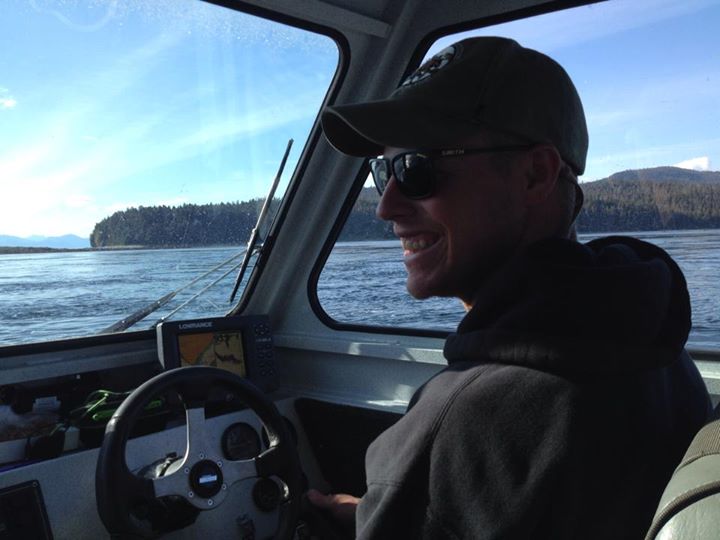
ImageHead Guide Capt. Andy at the helm after picking up a couple of guides from the float plane dock. It’s all smiles and lots of fish with Andy.

We have three new guides this season, all of who will do some test fishing between now and Saturday. It’s a BIG area here, with over 500 square miles of fish-infested calm waters to explore and drop lines.

As the season progresses watch Salmon Chronicles and Halibut Chronicles for new stories. I will include images as well as techniques used to trick fish into biting.

Tight Lines,
John

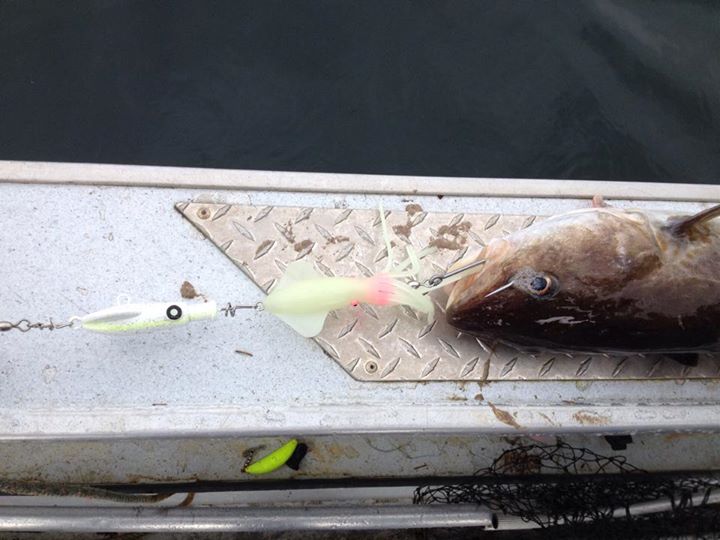
ImageAnother Pacific Cod caught during our test fishing.

ImageTraining a new guide on the Killisnoo Queen.

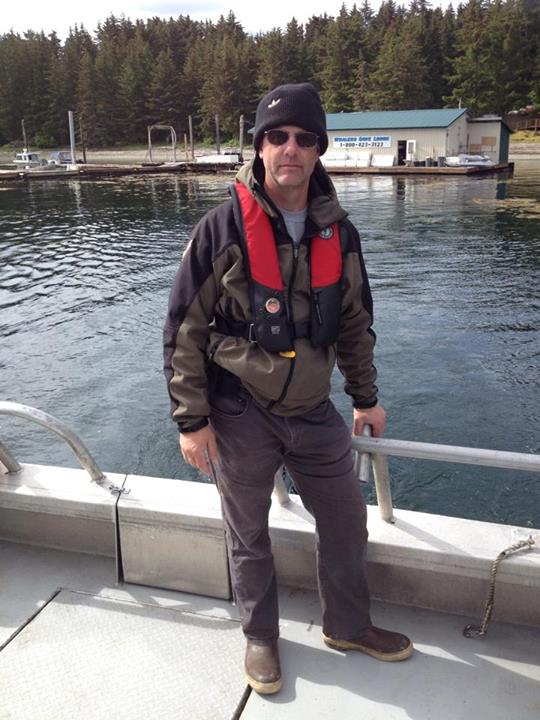
ImageThis year I’ll be wearing a new Mustang self-inflating vest.

Posted in Alaska Salmon Fishing, Salmon Fishing, Whaler's Cove Lodge Salmon Fishing | Tagged , , , | Leave a comment

Vacuum Sealing Halibut to Last One Year

John L. Beath's avatarSquidPro Tackle's Halibut Fishing Chronicles

John Beath shows how to use plastic wrap when vacuum sealing fish. This method prevents freezer burn and keeps fish fresh for at least one year. This method also keeps ALL moisture from your vacuum sealer.

View original post

Posted in Uncategorized | Leave a comment

What Fish See, Why Salmon Prefer Different Colors

Guiding for Whaler’s Cove Lodge last summer gave me a unique perspective on salmon fishing. As an outdoor writer, traveling from one spot to another for story assignments I learned many tips, tricks and techniques. And fishing my home waters in Washington also afforded me a great opportunity to learn, observe and adapt, but nothing like guiding every day for 90 days in one locale.

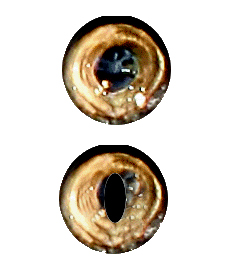
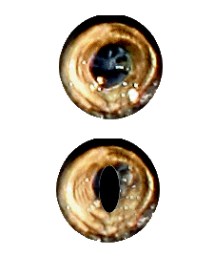
For years anglers have asked why certain colors work in certain areas at specific times. After carefully taking note of changes I have some interesting observations. First off, Dr. Colin Kageyama’s book, “What Fish See” made me think hard about what fish see and how they see colors. Kageyama first introduced himself to me back in 1999, just after writing his book. His research showed that salmon eyes change as they mature and get closer to their natal stream, which causes them to see colors differently. For instance, coho are famous for hammering kelly green in lower sections of the river. As they travel farther upstream their eye pupils elongate and change how they see colors.
Image

The image on the left shows a salmon eye that is very round. The lower image was adjusted by me to show an elongation of the pupil. As you can see, light passing through the round pupil vs. the elongated pupil will be different and distort color interpretation by the cones and rods in the fish’s eye.

Now, on to the practical side of this information.

Six Hour Color Window

While fishing for coho at Danger Point in Southeast Alaska, I began to notice certain colors worked extremely well and then they stopped producing bites and another color would get hot. It took several weeks to finally unravel the mystery of why colors got hot and then cold.

When fishing in terminal areas, defined as an area where salmon congregate near natal streams, different schools of salmon would congregate, feed and mill around and then continue on their way with the flow of the tides. High tide would bring new fish and low tide would wash salmon back to the area. The “fresh” coho to the area were less mature, and would often mill about feeding with reckless abandon. The more mature coho salmon that washed back into the area on low tide typically went for different colors. After noticing a distinct pattern, and watching the other guides and noting what colors were hot, I began thinking of color choice on a six hour color window.

On incoming tides greens, chartreuse, blues and purples worked extremely well. On outgoing tides the popsicle colored hoochie or squid worked well. Additionally, coho from other river systems also entered the area to feed on the rich abundance of herring. When these new schools arrived with a tide, it did not take long to notice what colors worked best. Again, the reason is simple, each school of coho is at a different stage of their life cycle and see colors slightly different. Knowing this is a good reason to watch closely what colors work best during a tide and adapt as new or old fish arrive on the scene. While this article deals more with coho, the concepts also apply to Chinook as well, when fishing for mature runs vs. immature feeders.

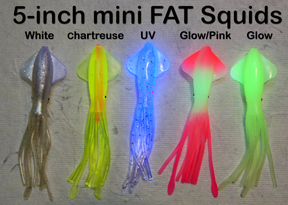
ImageWhen “prospecting” an area or color choice, I like to try the UV, White or Chartreuse mini FAT Squids first. Early in the morning or when fishing deep the Glow works extremely well. For mature fish the Glow/Pink gets the nod.

And remember, each salmon fishing location is different, so try different colors to see what works best. Try the six hour color window idea and pay attention to what colors work best on each tide. Learn to adapt from day to day and tide to tide as the fish mature and water conditions change. Simply paying attention and not getting stuck on a lure color will increase your odds over anglers that refuse to adapt.

I’m looking forward to this summer at Whaler’s Cove Lodge, helping guests catch lots of fish while continuing to learn the everyday mysteries of why fish bite, why they bite certain colors and how to get them to bite more often.

Stay tuned, I will be writing frequently this summer about techniques, tips and everything salmon.

Good luck,

JohnImage

Posted in Alaska Salmon Fishing, How to choose lure colors, Salmon Fishing, Salmon Fishing Tips & Tricks, Whaler's Cove Lodge Salmon Fishing | Tagged , , , , , , | Leave a comment

Herring Brine Recipe

Last summer I experimented with preserving herring. At Whaler’s Cove Lodge everyone goes out in the morning and jigs their own live herring, then put them in a bucket and use dead herring all day. Some of the captains salt their herring, or fillet the herring and then salt them. After many experiments I combined my old standard brine recipe with a new technique.

First off, here’s my brine recipe.

3 parts non-iodized salt or pickling salt (use any measuring device)

1 part powdered milk

Mix well and store in a dry container.

After mixing your brine solution

1 part brine mix to 3 parts water.

ImageAdd herring to brine mixture. You can also add food coloring, or freeze dried herring, available at http://www.halibut.net to add some flavor to the mixture. Mrs Stuart’s Bluing also works well to color your bait.

Sometimes the salmon want a blue, green or purple bait, so try different colors. The powdered milk shines up the herring and helps preserve it. Adding some of your favorite scent or simple herring oil helps to “sweeten” your brine and add enticing flavor to your baits.

ImageUse a six or 12 pack cooler for your herring brine and add a Ziplock with ice. This keeps the mix from heating and rotting/spoiling the bait. Here’s where you will save lots of money over time. Each night close the cooler’s lid and put it in the freezer. Typically the brine won’t completely freeze overnight but will keep the herring from going bad. If you don’t fish for a several days or longer the mix will freeze, but it’s a milky, not solid ice kind of freeze. Even after a month in deep freeze it will thaw enough overnight to be ready for use in the morning.

When using fresh herring cut the heads off, remove guts, rinse bodies and heads in a bucket of ocean water. Rinse thoroughly to clean off any blood and guts. Transfer to your cooler of brine mix. While guiding at Whaler’s Cove I routinely used 10 to 12 day old baits without suffering any loss of quality. Fact is, I preferred the older baits because they were tougher, but not rotten.

Try it this summer and remember, my recipe is just a starting point, you can experiment and come up with your own preferred brine that works great for you.

Good luck,

John

Posted in Salmon Fishing Tips & Tricks, Whaler's Cove Lodge Salmon Fishing | Leave a comment

Bananas on Boats, Are They Cursed?

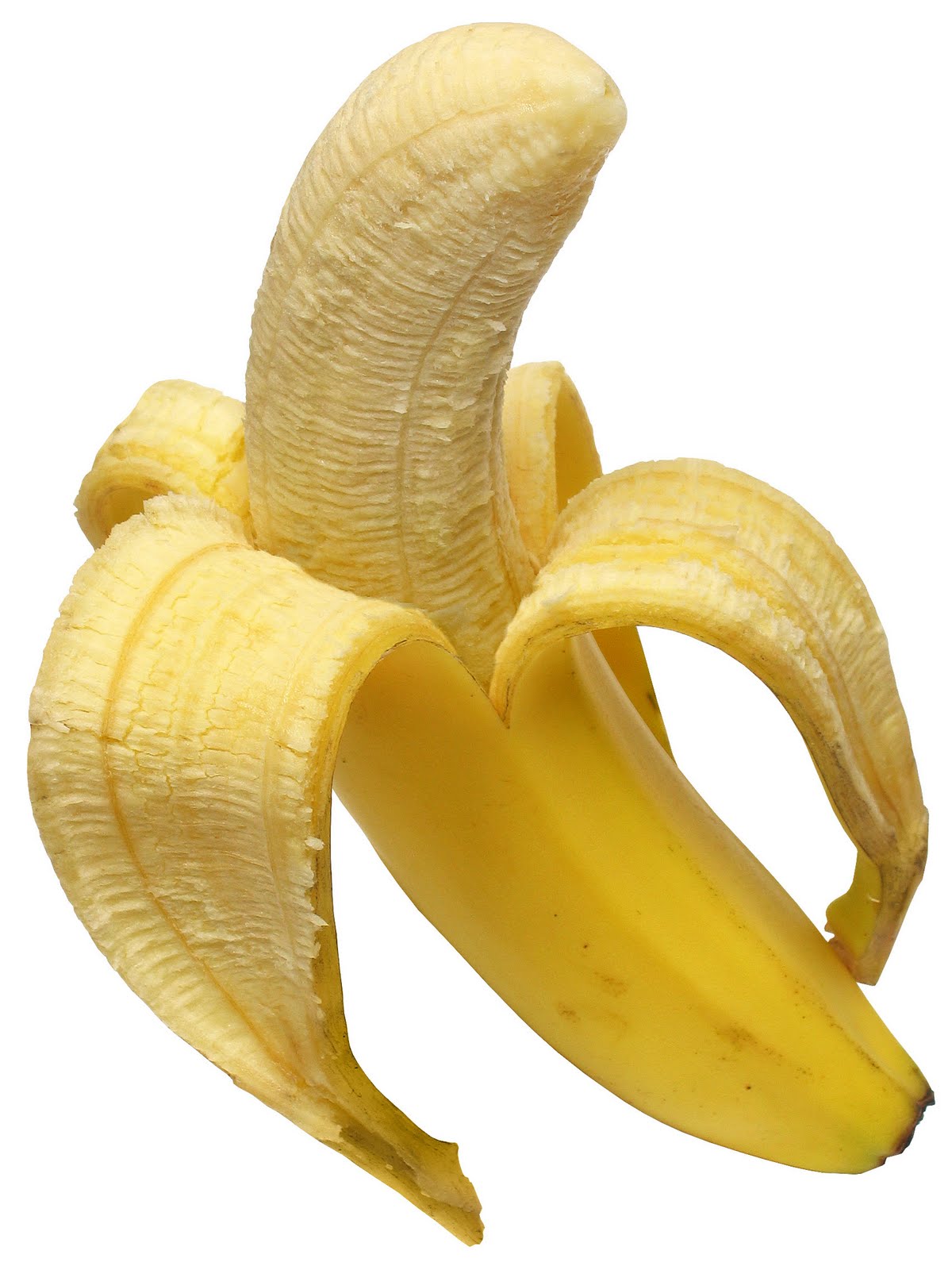
Banana-2Today I joined my neighbor, Lance, and friend, Chuck, on his boat for a casual day of fishing at Mid Channel Bank. Our Raymarine fish finder showed plenty of bait and salmon marks. After two hours of trolling back and forth without a strike Lance began eating his lunch, which included a bright banana. Upon seeing the banana I cringed and wondered aloud if the banana on the boat was the cause of us not catching any salmon.

Lance continued to eat the banana and then put the peel in his bag. “Don’t leave the peel on the boat,” I said. “Throw it overboard!”

Since Lance had never heard about the curse of bananas on boat I told the story, as follows.

Hundreds of years ago, in the Polynesian Islands, a Kahuna (King) had a harem of beautiful girls. A young man fell in love with one of the Kahuna’s young harem girls and the two conspired to leave the island, and the Kahuna behind. They worked secretly to get a large canoe capable of traveling to a distant island. They hoped to travel to an island far enough away from the Kahuna to make it difficult and not worth the Kahuna’s effort to chase after them. They stored fresh water in hollow coconut shells but soon realized their food would spoil on the long journey. After much thought they decided to load the canoe with green bananas in hopes they would ripen along the way without spoiling.

ImageAfter loading their canoe they slipped away in the dark of night, paddling furiously to get away from the island before daybreak. When the sun rose the next day the Kahuna discovered one of his girls missing. After learning of their plan through one of his other harem girls he put a curse on bananas on boat for eternity, in hopes the two lovers would starve to death before reaching the distant island.

Do you believe in this superstition? Many boaters and anglers do and refuse to let anyone aboard if they have a banana with them. I’m not sure if Lance’s banana caused us to not catch salmon today, but I can guarantee he will never bring a banana with him again!

Posted in Salmon Fishing, Salmon Fishing Superstitions | Tagged , | Leave a comment

Strait of Juan de Fuca Spring Blackmouth Salmon Fishing

Image

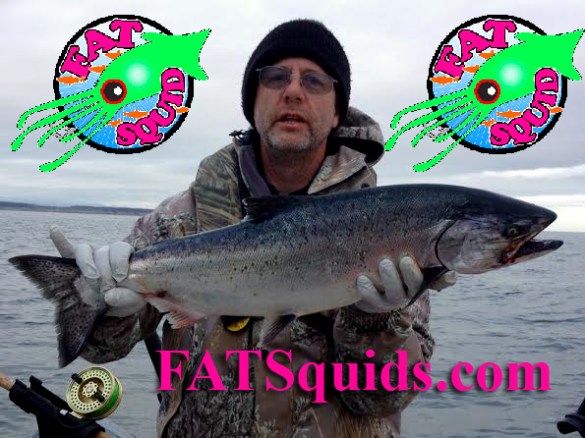
Today we fished Protection Island, trolling with 15 pound downrigger balls hugging the bottom where the bait hovered. Yesterday I released a nice wild feeder Chinook that still had an adipose fin. Today, at the top of the high tide, tucked on the inside of the Southwest corner of the island, my rod broke free of the downrigger clip. A fat, healthy blackmouth fell victim to my mini FAT Squid, fished close to the bottom.

The area requires a good chart plotter to stay off the shallow areas. Later during the tide Steve’s rod bounced off the clip. He grabbed the rod and held on as a super strong Chinook took off toward the nearby deep slanted slope. The fish made three strong runs of about 50 yards each, bending the rod tip near the water’s edge. Then suddenly Steve swore and announced the fish came unbuttoned. We sure wish we could have seen this fish, as it never yielded any line and fought like a teen to twenty-something mature summer king. Who knows, it could have been an XL sized blackmouth or a muture fish heading to British Columbia’s Frazier River or beyond. Last weekend someone caught a 26 pound Chinook in the Anacortes Salmon Derby, proving anything is impossible.

It just hurts to lose really nice fish without seeing them. At least Steve got to feel and experience the strength and raw power of the fish, which I’m sure will haunt his thoughts for quite a while.

Did anyone notice, I used several terms for Chinook salmon. In case anyone is wondering, here’s a list of Chinook terms.

1. Chinook (Species type, you can’t go wrong calling it this)

2. Tyee (Any Chinook over 30 pounds. Typically a Canadian name)

3. Smiley (Commercial fishermen called Chinook over 50 pounds this because they made them smile)

4. Feeder (An immature salmon)

5. Blackmouth (immature Chinook salmon, called this because of the Chinook’s black lower gum line)

Also note, if you can’t identify blackmouth by their gum line, look for small round black spots on the tail and elongated spots on the top of the back. They also have a very unique metallic smell. I’m 100 percent sure a blind man could identify Chinook by smell alone.

Posted in Salmon Fishing, Salmon Fishing Tackle, Salmon Fishing Tips & Tricks, Washington Salmon Fishing | Tagged | Leave a comment

Trolling For Salmon Without A Trolling Motor

For the past two days I have been salmon fishing in the Strait of Juan de Fuca searching for salmon. On Friday, while fishing The Winter Hole out of Port Angeles, I counted 20 boats trolling with their main 4-stroke outboard. Their little “kicker” motors sat on the transom, tilted up and very lonely. Later in the day, I did see three trollers using their trolling motors and each had old two-stroke engines.

Question: If you have a four stroke outboard as your main engine do you use it to troll with or your trolling motor?

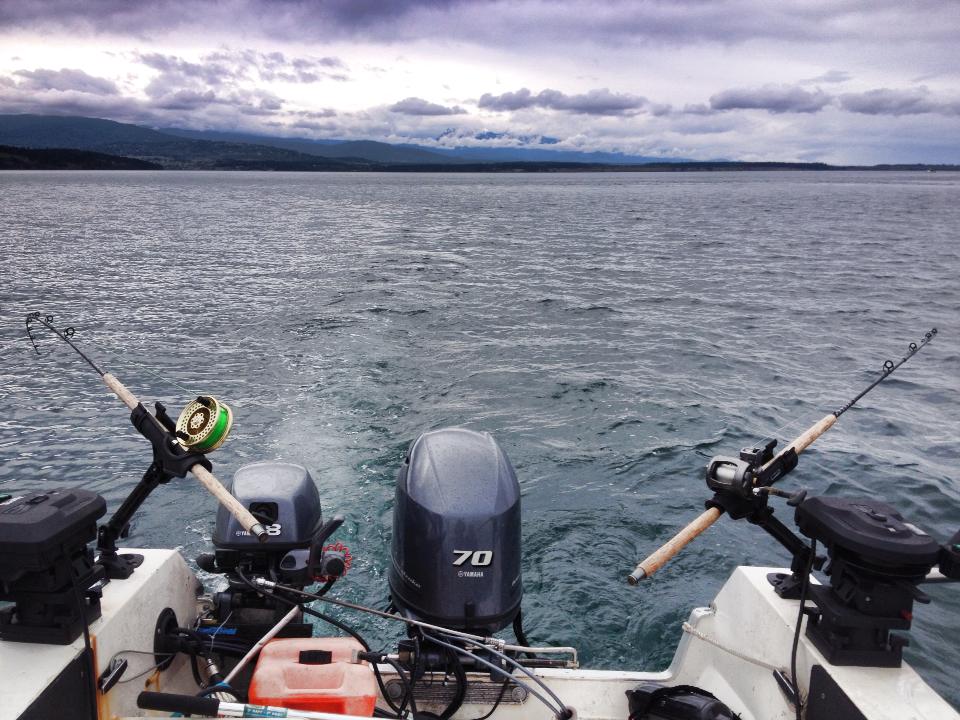
I must confess, I have been using my 70 hp Yamaha to troll with because it is just so quiet, efficient and easy. Today, however, I ran a good distance searching for salmon and ran low on fuel. Had I not started with half a tank I’m sure I would have used my “big” motor to troll with. Instead, my little four stroke 8 hp Yamaha went into service. A new steering connector rod made it easy, but throttle control still had to be adjusted frequently, requiring me to go from the helm to the transom to make the adjustment.NewRodHolder

Posted in Salmon Fishing, Washington Salmon Fishing | Tagged , | Leave a comment